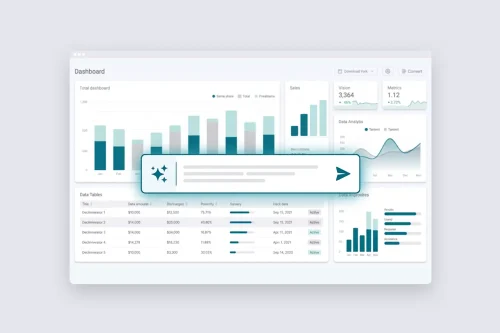
In today’s data-driven landscape, successful landing page optimization requires a strategic blend of both qualitative and quantitative data. By leveraging insights from both types of data, businesses can create user-centric, high-converting landing pages. Here, we explore how these data sets can inform and refine your optimization strategies.
Landing page optimization isn’t just about guesswork or aesthetic choices; it’s about actionable insights derived from robust data. Let’s break down the two essential data categories:
1. Quantitative Data Sets
Quantitative data provides the hard numbers that form the foundation of informed decision-making. Key metrics to track include:
Google Analytics User Engagement Metrics: These metrics reveal how users interact with your landing page, highlighting areas of strength and improvement.
Engagement Rate: A higher engagement rate indicates that users find your content compelling and relevant.
Events and Key Events: Tracking user-triggered actions, such as form submissions or button clicks, helps identify what drives conversions.
Average Session Time: This metric sheds light on how long visitors stay on your page, reflecting their interest and engagement.
2. Qualitative Tools
While quantitative data provides the “what,” qualitative tools offer the “why.” These tools add depth and context to your analysis:
- Heatmapping Software: Heatmaps provide a color-coded visual representation of user clicks, taps (on mobile and tablet), mouse movements, and scroll activity. Quickly identify hotspots (areas with frequent interactions) and dead zones (areas with little to no activity).
- Session Recording Applications: These tools capture video playbacks of user interactions on your site. They allow you to analyze critical factors such as: Scroll Depth: How far users scroll down your page. Content Flow: The effectiveness of your content in guiding users. UX Obstructions and Disruptors: Identifying elements that hinder the user experience.
Combining insights from both data types enables a comprehensive understanding of user behavior. This approach can inform a conversion rate optimization (CRO) roadmap with actionable strategies, including:
- Refining Website Design: Create a more visually appealing and intuitive layout.
- Smoothing Out Friction Points: Remove barriers that disrupt the user journey.
- Optimizing Content Flow: Ensure information is presented logically and effectively.
- Improving CTA Placement: Position calls-to-action in locations that drive maximum engagement.
- Identifying A/B Testing Opportunities: Use insights to design tests that validate optimization hypotheses.
When leveraging these tools, keep the following considerations in mind:
- Sample Size Matters: Ensure you gather adequate data from heatmaps and session recordings before implementing changes. A small sample size can lead to biased or unreliable conclusions.
- Privacy Compliance: Always anonymize user data and adhere to privacy regulations such as GDPR or CCPA to protect user information and maintain trust.